Corporate News
What They Say About DNA Ploidy Quantitative Analysis Technology...
Step into the pathology department to learn about the clinical diagnostic value of DNA ploidy quantitative analysis technology
Recently, the self-media platform "Health Putuo Medical Cube" under the Putuo District Health Commission of Shanghai visited the pathology department of Putuo District Central Hospital for an immersive interview. When discussing DNA ploidy quantitative analysis technology, the department staff vividly compared it to performing a "quantitative security check" on the genetic material within the cell nucleus.
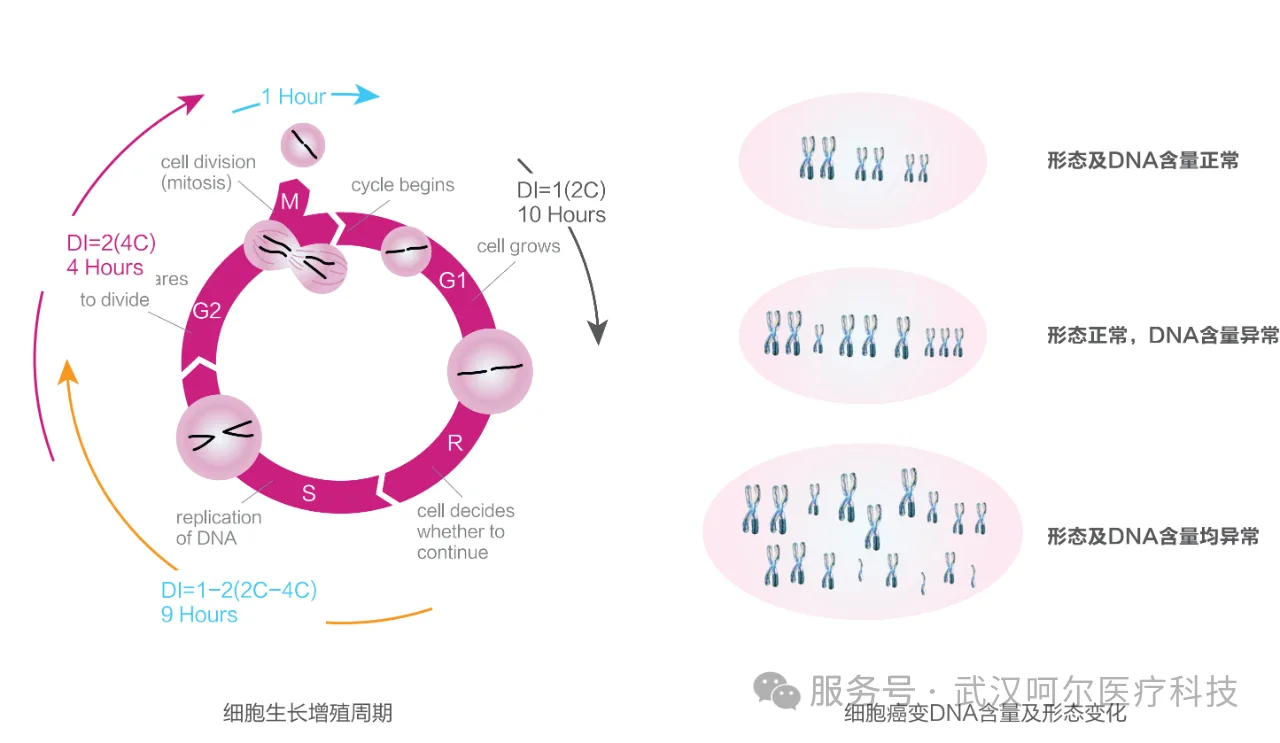
The DNA content in normal human cell nuclei is stable (diploid). However, when cells undergo precancerous lesions or even malignant transformation, the DNA content often shows abnormal increase (aneuploid). DNA ploidy quantitative testing can precisely quantify the DNA content in cell nuclei, capturing these genetic material changes before significant morphological abnormalities appear, serving the purpose of early screening and early warning—acting as an ultra-early risk warning signal. When DNA ploidy analysis shows abnormalities, it suggests the need to shorten the interval between follow-up examinations and strengthen surveillance, truly achieving early detection and early intervention.
Heer Medical's independently developed fully automated digital scanning and analysis system offers multiple throughput models including 4P, 40P, and 120P. This series of equipment integrates multiple functions, including: high-definition digital pathology slide scanning, DNA ploidy quantitative analysis, cytological morphological analysis, immunocytochemical analysis (HPV E6/E7 protein and p16/Ki-67 dual staining), as well as intelligent analysis of tissue pathology (lymph nodes, stomach, cervix), and quantitative analysis of breast immunohistochemistry sample biomarkers (ER/PR/Her2/Ki67).