Academic Conference
Celebrating Heer Medical's Great Success at the 16th National Cytopathology Conference of the Chinese Medical Association
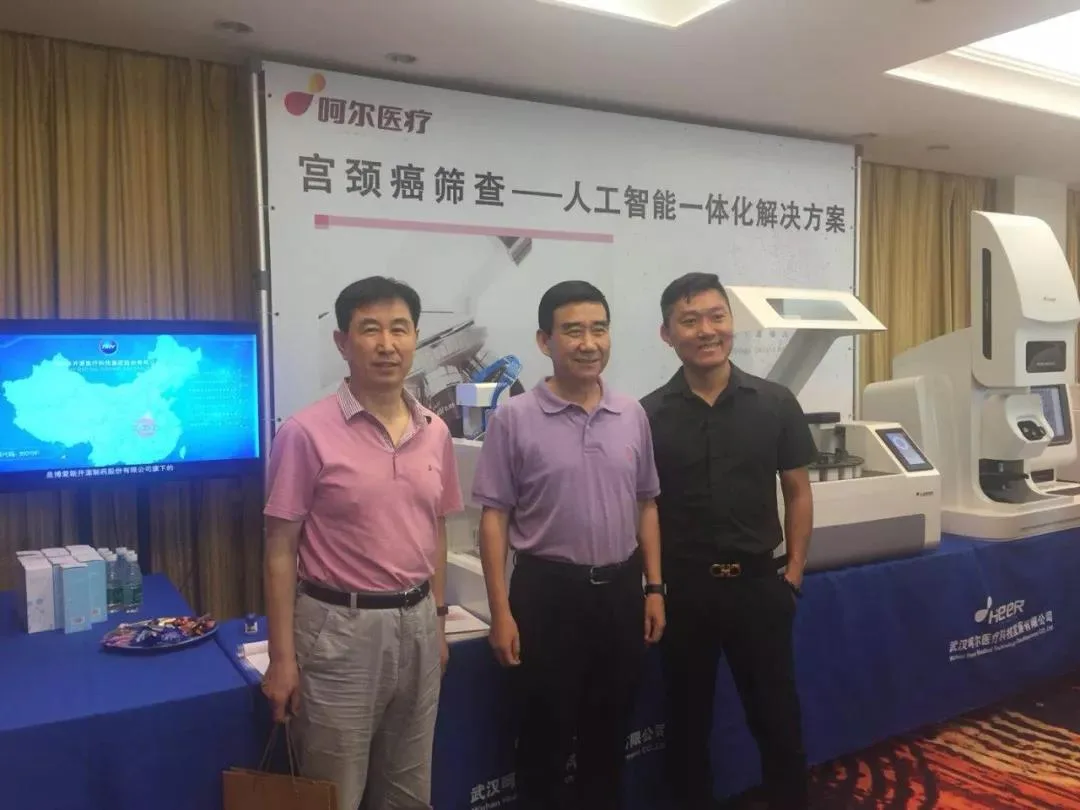
In June 2018, the 16th National Cytopathology Conference of the Chinese Medical Association was held in Changsha. Heer Medical showcased the SPICM-DNA Fully Automatic Cell Tumor Screening and Analysis System and the Fully Automatic Multispectral DNA Quantitative Analysis System, achieving the breakthrough of simultaneously completing both DNA quantitative analysis and TBS diagnostic reports.
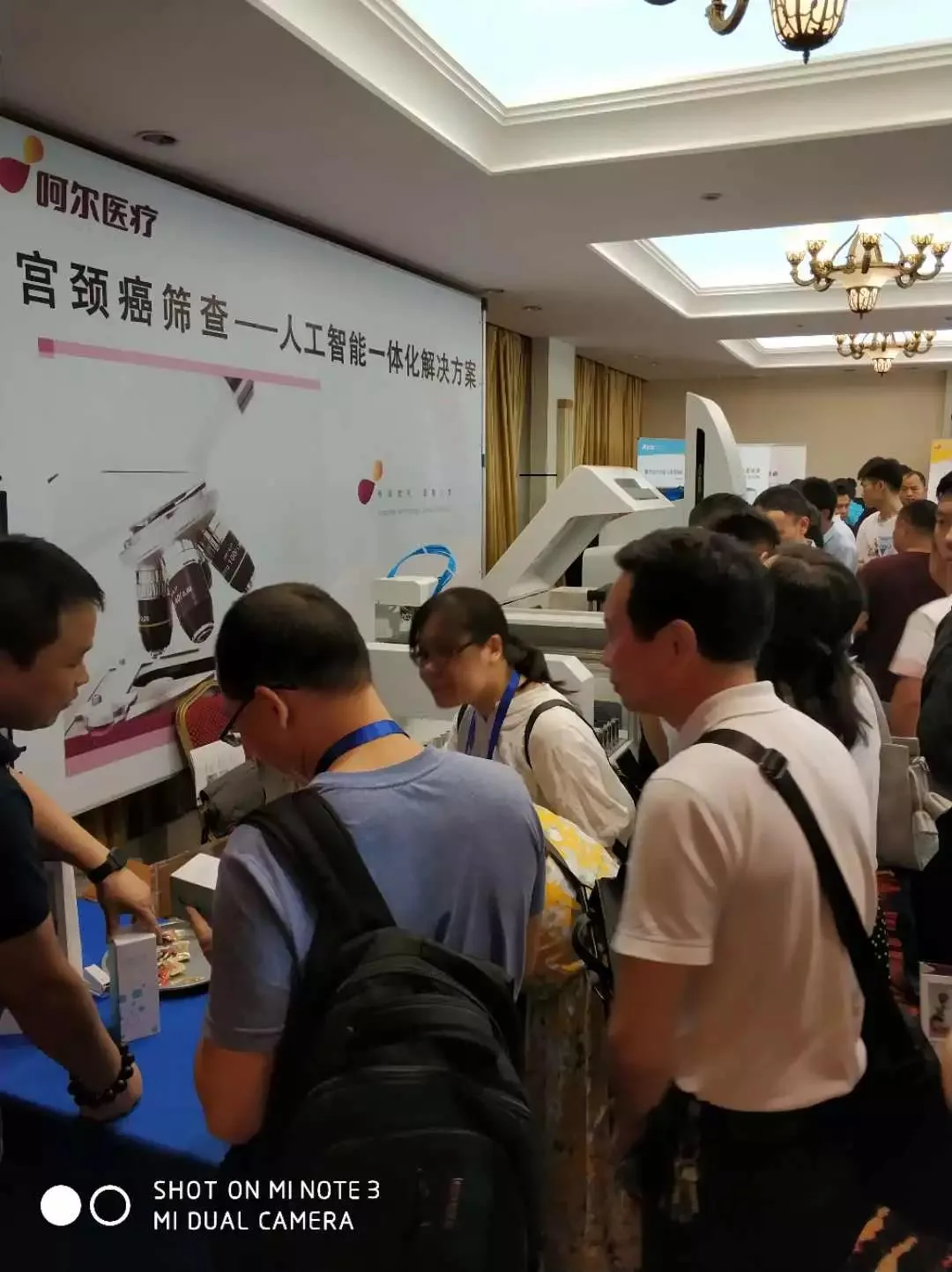
Our company participated in the 16th National Cytopathology Conference of the Chinese Medical Association, held grandly in Changsha, Hunan from June 14 to 16, 2018. More than a thousand cytopathology experts, directors, and technical specialists from across the country attended this conference.
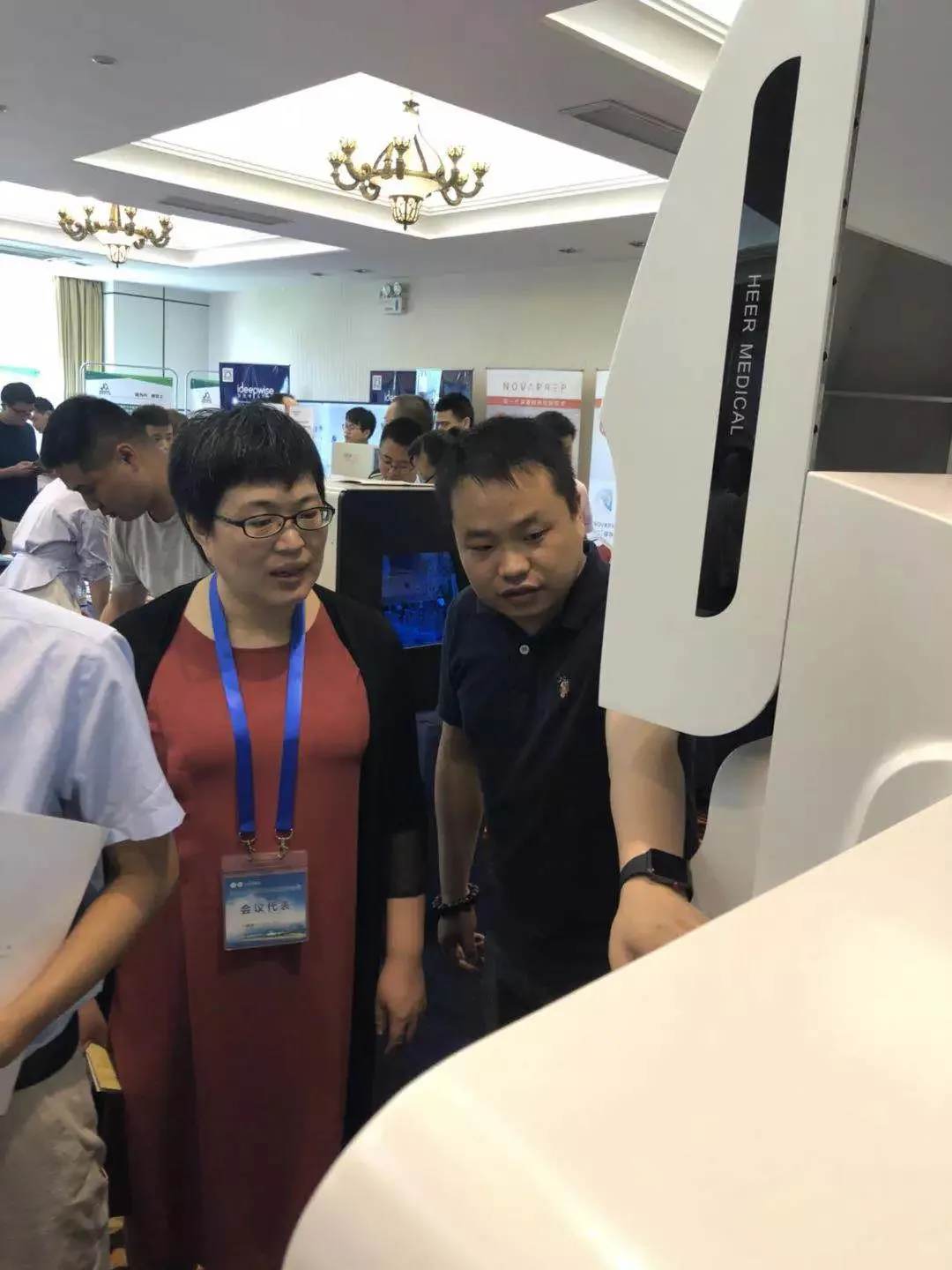
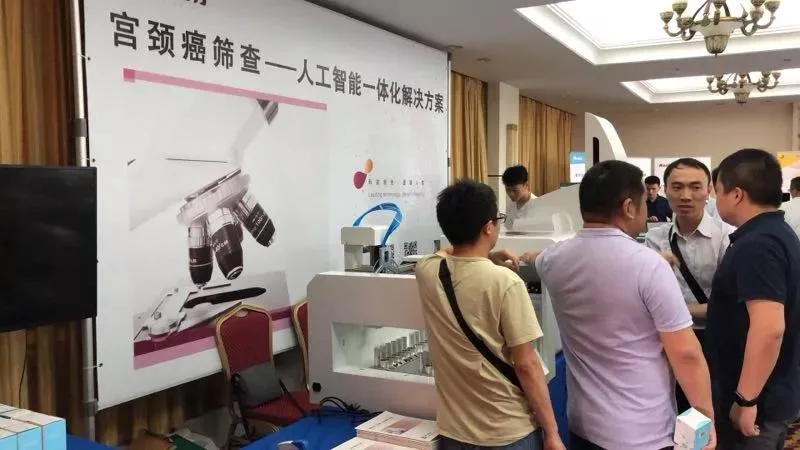
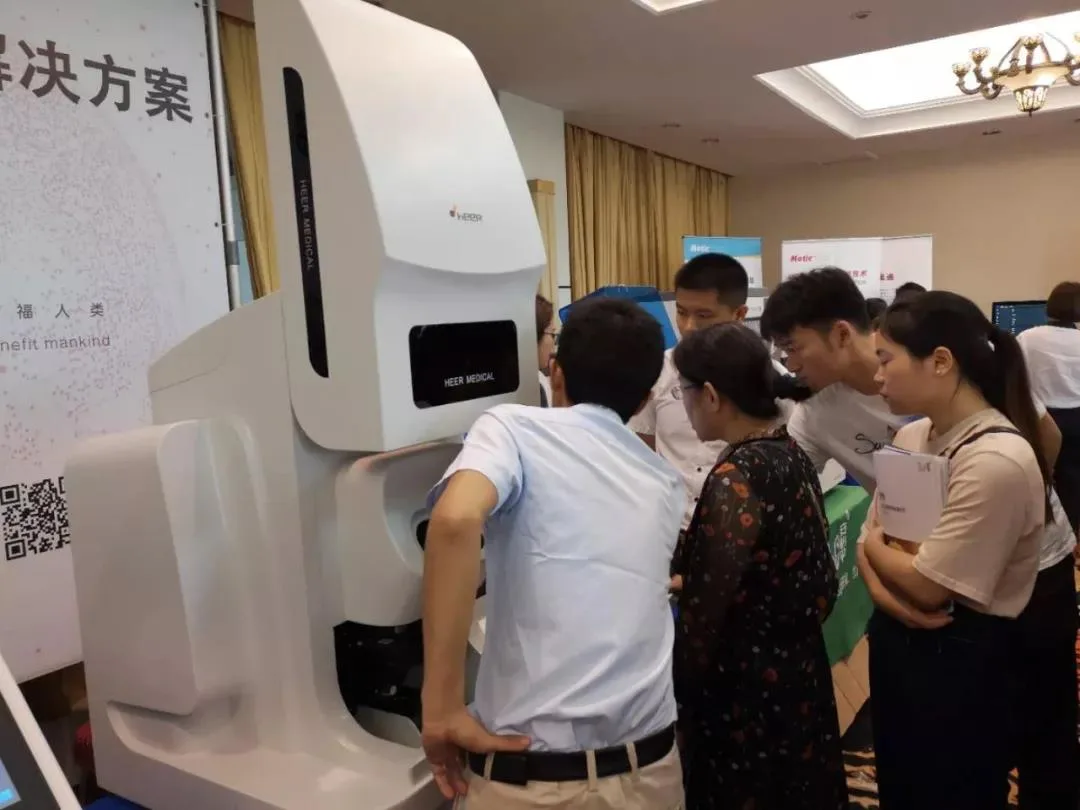
During the exhibition, our company's main product, the "SPICM-DNA Fully Automatic Cell Tumor Screening and Analysis System," and the newly launched "Fully Automatic Multispectral Cell Screening and Analysis System" attracted cytopathology experts to stop and observe, inquire, and consult. Among them, the "Fully Automatic Multispectral DNA Quantitative Analysis System" analyzes re-stained slides combining DNA and conventional Papanicolaou staining, utilizing approximately 200 optimized classification parameters to intelligently achieve fully automatic scanning, automatic classification, automatic image capture, automatic positioning and review, and automatic diagnosis. It is applicable to tumor screening of exfoliated cells from organs such as the cervix, and can be used for early cancer diagnosis. The system completely solves the technical challenge of combining conventional cytology and DNA ploidy analysis into a single detection method, truly realizing "simultaneous completion of DNA quantitative analysis and TBS diagnostic reports," with software analysis interface and microscopic observation fields fully synchronized and unified, avoiding potential inconsistencies between results and images in the original system, significantly improving diagnostic accuracy.
At this conference, new technologies from different fields converged, making potentially new cytological diagnostic technologies possible; by sharing the experiences and research results of all participants, as well as the suggestions of various cytopathology experts, directors, and technical specialists, we are continually driven to innovate and explore on the path of future development.